Did you know: Android was originally designed for digital cameras not phones
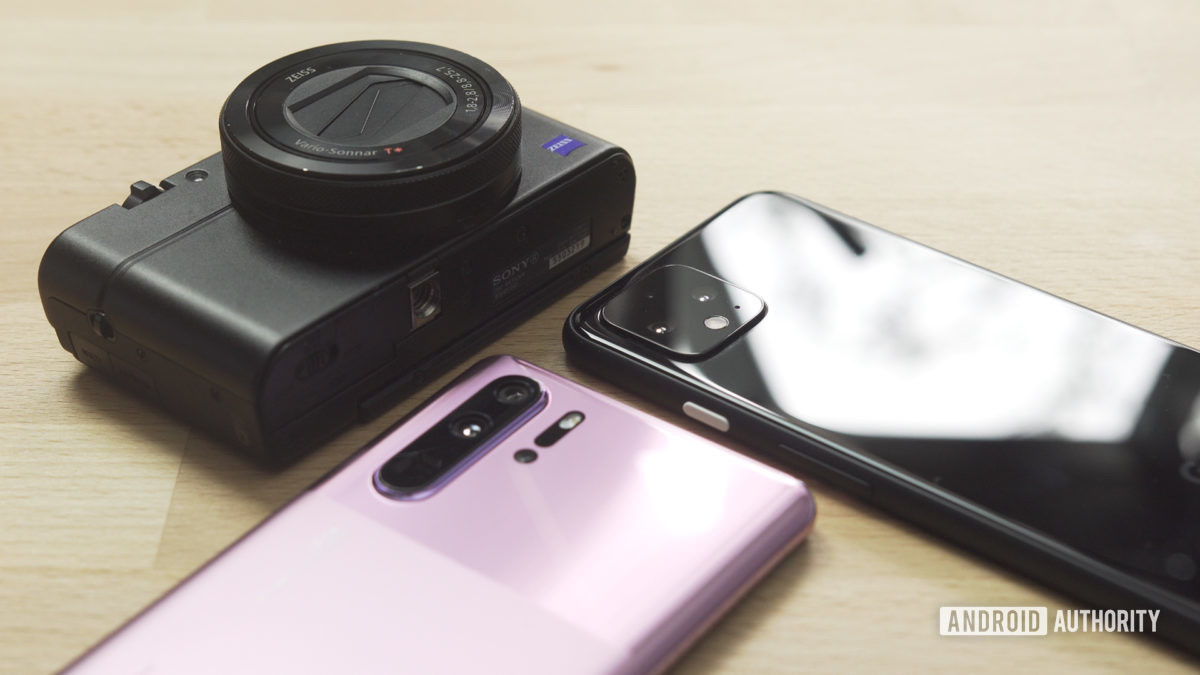
Android is synonymous with smartphones. It’s the preferred cellular working system on the earth, powering more than 2.5 billion active devices. Nevertheless, a lot of people don’t know that the OS wasn’t initially designed for telephones.
On the economic summit in Tokyo again in 2013, Andy Rubin — the co-founder of Android — revealed that Android was originally made for digital cameras. The plan was to create a digital camera platform that would include cloud storage for photographs and videos. That means, customers possible wouldn’t need to depend on a digital camera’s onboard storage as much and will easily entry their photographs from multiple units. Throughout his speech in Japan’s capital, Rubin even confirmed the slides he used to pitch the thought to buyers again in 2004. The curiosity was apparently low, so he wasn’t capable of close the deal on the time.
We determined digital cameras wasn't truly a large enough market.
Five months after that meeting, Andy Rubin and the rest of the Android workforce decided to vary their strategy. They found out that the digital camera market wasn’t large enough and saw a chance within the smartphone sector. After making the required modifications to the OS, Android as we know it was born.
The staff didn’t need to charge for software as their rivals did at the time, because they believed the business was too worth delicate. As an alternative, they needed Android to be free and serve as a platform for promoting different providers and products (apps, video games, and so forth.). Progress was the name of the game. By providing the software program totally free, there was a much larger probability of putting deals with telephone makers.
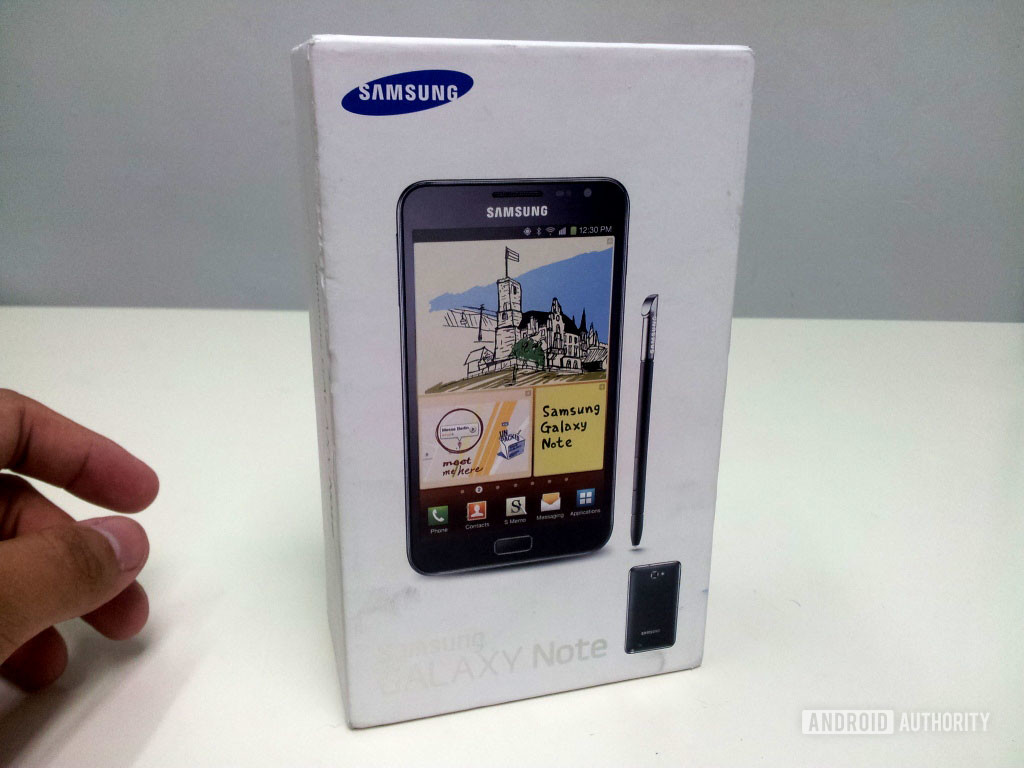
Did you know: The Samsung Galaxy Word was mocked and predicted to flop at launch
However to make that plan a actuality, they wanted a terrific associate with deep pockets. Here’s the place Google comes in. The tech big bought Android in July 2005 and hired Andy Rubin because the senior vice chairman of cellular and digital content material. The company set out on a mission to capture a nine % market share in North America and Europe in the subsequent five years.
These expectations have been wildly exceeded, as Android held round 24% of the market in North America by the top of 2010 — and that was simply the start. Right now, Android powers greater than 80% of all smartphones in use.
The facility of a single determination

The decision to give attention to smartphones as an alternative of digital cameras was obviously the proper one to make. Simply take a look at the numbers: in response to Statista, smartphone gross sales rose from around 122 million in 2007 to 1.5 billion in 2019. Digital digital camera sales, then again, declined from round 100 million in 2007 to just 15 million in 2019. The business peaked in 2010, with international gross sales reaching approximately 121 million units.
We don’t know exactly what would have occurred if Andy Rubin and his group caught to the original plan for Android, however we assume the OS wouldn’t have been a lot of a hit. More importantly, the Android we all know at present just wouldn’t exist.
Related: Compact camera vs smartphone shootout: It’s not even close
It’s potential that Google wouldn’t have even entered the market and that Microsoft might have achieved extra success with its Windows Mobile platform. Heck, Symbian may need developed right into a more open working system and Nokia would still be the king of smartphones. It’s fun to think about this stuff, although it’s obviously all speculation. What we will say with certainty is that the smartphone market can be utterly totally different as we speak with out the Android creators’ pivot to smartphones.
This story simply goes to point out how a single determination could make or break a business. As Stephen R. Covey wrote in his best-selling guide The 7 Habits of Highly Effective People, “If the ladder shouldn't be leaning towards the fitting wall, each step we take just will get us to the fallacious place quicker.”
Fortunately for Rubin, his ladder was leaning towards the best wall… ultimately. His choice to focus the OS on smartphones as an alternative of cameras made him a millionaire and was the start of Android we all know and love. To recall, Google paid $50 million for Android, which was a steal given the success of the OS, nevertheless it’s nonetheless a lot of money general.
This is the second publish in our “Did you know” collection during which we dive into the Android history books to uncover necessary and fascinating information or events which were forgotten over time. What do you need to see us cover next? Let know within the comments.
Delta City | Tech News
Get Bitcoin just for watching YouTube | http://getbitcoin.gq/
No comments: