What is PDAF and how does it work? Phase Detection Autofocus explained

Autofocus know-how is likely one of the key pillars of mobile photography, making certain crisp clear captures of even the fastest shifting subjects. However do you know that autofocusing is available in quite a lot of varieties, relying on the sensor inside your smartphone or digital camera? Immediately we’re going to dive into Part Detection autofocus (PDAF), some of the widespread kinds of autofocus.
Part detection autofocus is present in plenty of trendy smartphone cameras. It’s both quicker and extra accurate than basic contrast detection. Contrast detection is the only and least expensive type of autofocus, but in addition the slowest and least accurate with shifting subjects. So what makes PDAF so a lot better?
What is PDAF and how does it work?
Like all good digital camera technologies, PDAF traces its roots again to the DSLR. DSLR cameras use mirrors to mirror copies of the primary sensor’s mild at a dedicated part detection sensor. Smartphones don’t have the identical area luxurious to fit all these elements in. As an alternative, cellular sensors have dedicated PDAF pixels constructed into the image sensor, an strategy borrowed from compact cameras.
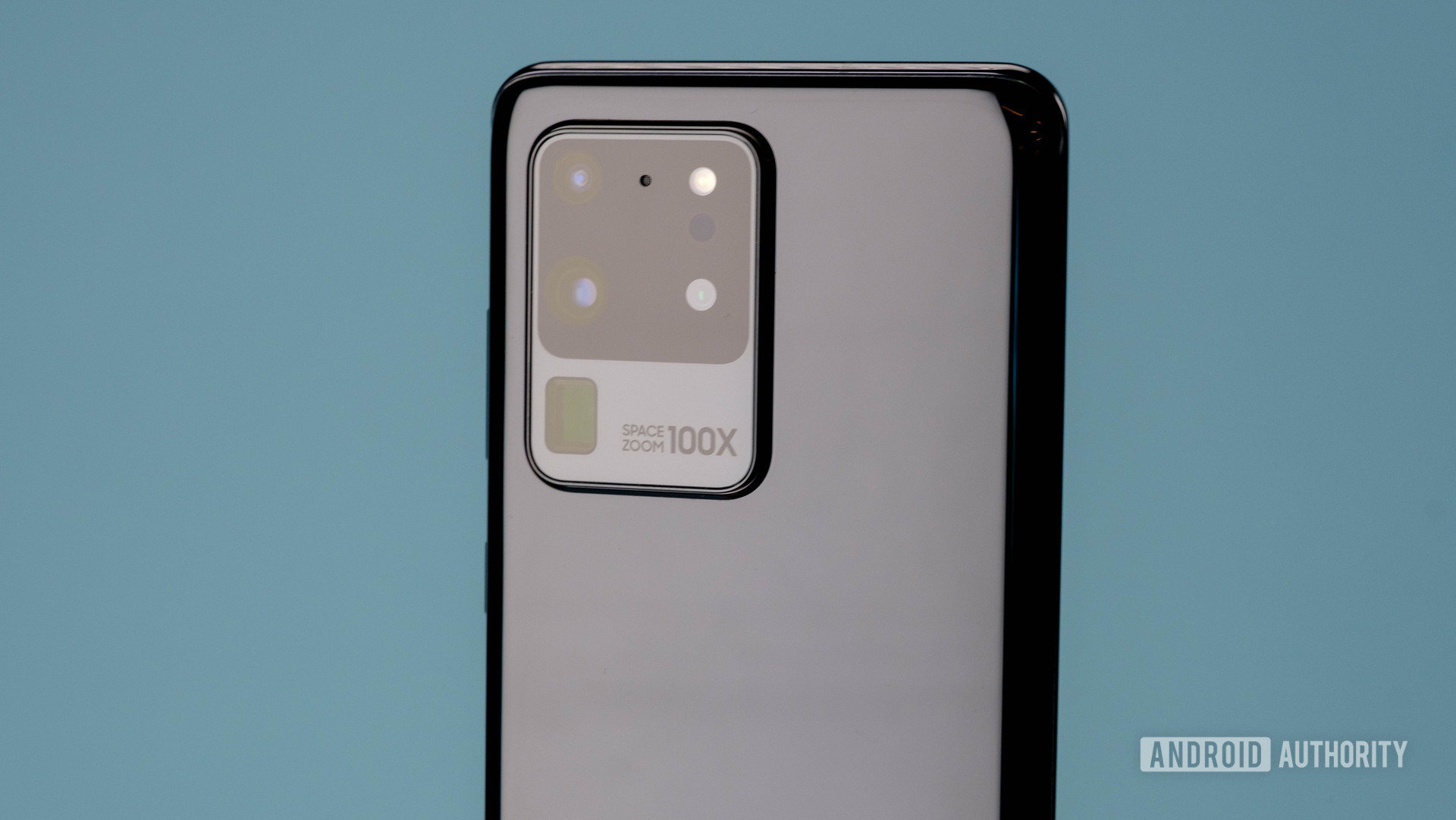
The Samsung Galaxy S20 Ultra digital camera makes me assume I don’t need a DSLR anymore
The only method to understand how PDAF works is to start out by serious about mild passing the digital camera lens at the very excessive edges. When in good focus, mild from even these extremes of the lens will refract back to satisfy at a precise point on the digital camera sensor. A blurry image is a result of this focus/assembly level being set either in front of or behind the image sensor. Adjusting the lens to vary this focus is strictly how digital camera focusing works.
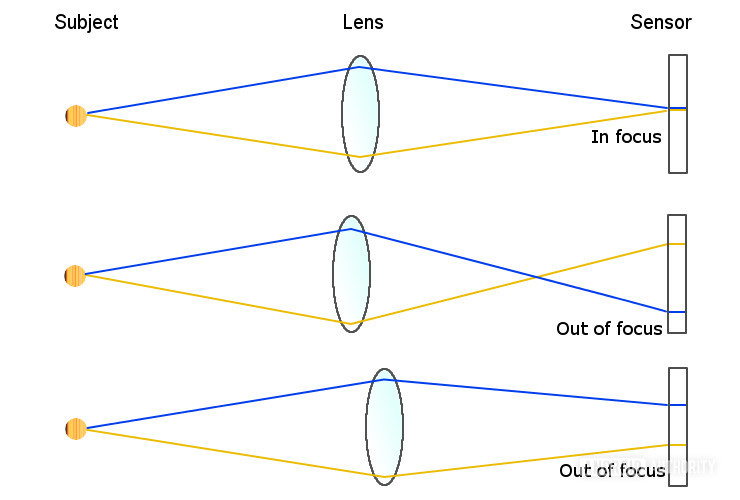
In other phrases, we will tell if an image is in focus because even mild coming from two totally different factors on the lens converge on a single point. DSLR part detection autofocus cameras use two dedicated PDAF sensors to capture separate pictures for comparability. Compact cameras and smartphones don’t have this luxury. As an alternative, this twin perspective needs to be created using dedicated part detecting photodiodes on the image sensor to itself.
Related: Compact camera vs smartphone shootout
These photodiodes are physically masked such that mild from just one aspect of the lens reaches it. This produces left-looking and right-looking pixels on a single picture sensor, giving us our two photographs with which to match focus. The part distinction between the two photographs is calculated to determine the main target point. Samsung’s diagram under presents an intuitive take a look at this by comparing these left/proper pixels to our eyes.
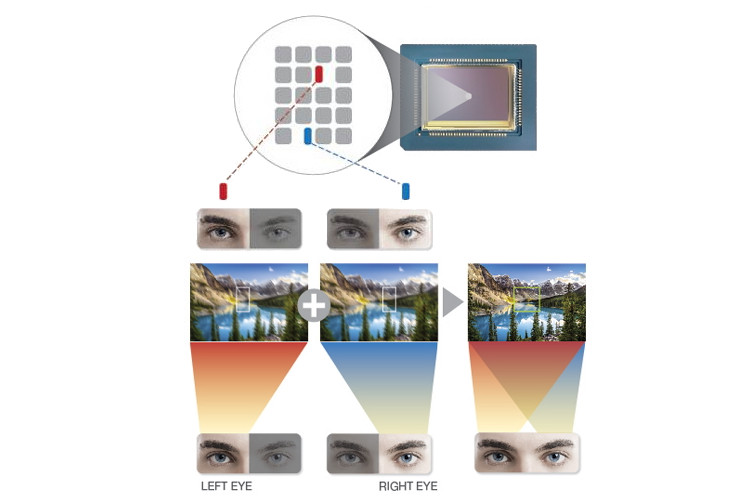
Samsung By obtaining left and proper offset pictures, PDAF works somewhat just like the human eye.
If the image is out of focus, the part difference knowledge between photographs is used to calculate how far the lens needs to be moved to convey it into focus. This is what makes PDAF focusing so fast in comparison with contrast detection. Nevertheless, with half of the pixel blocked, these photodiodes find yourself with less mild than a daily pixel. This will trigger points with focusing in low mild, the place conventional contrast detection continues to be typically used as a hybrid answer.
As you may as well see, we don’t need to use every pixel on the digital camera to determine the main target. As an alternative, a number of pixel strips throughout the sensor will do. Sometimes only 5 to 10% of sensor pixels are reserved for autofocusing. Nevertheless, vertical strips mean that cameras can have issues specializing in horizontal strains, so better sensors use cross focus patterns.
PDAF execs and cons

In comparison with traditional distinction autofocus, part detection auto focus is faster and often more accurate. Distinction autofocus takes a very long time because it has to scan by means of probably its whole range of focal factors to seek out the sharpest focus. It’s primarily trial and error. With PDAF, the part difference is used to virtually immediately calculate how far the lens needs to be moved to realize focus.
Lower than 10% of sensor pixels are devoted to part detection autofocus.
Nevertheless, on-sensor PDAF has a couple of drawbacks in comparison with DSLR PDAF. The character of small smartphone sensors and even smaller pixels makes noise a problem, which is problematic in low mild conditions. Even part detection autofocus can take several attempts to acquire good focus in lower than very best circumstances. Though using more pairs of detectors helps velocity things up. In consequence, smartphones typically implement a hybrid strategy to deal with this shortcoming.
Part Detection autofocus is a must-have for the intense cellular photographer. Thankfully, you’ll discover this know-how in all high-end and even most mid-range smartphones launched prior to now few years. In reality, high-end smartphone cameras now embrace much improved Dual Pixel autofocus. Stay tuned for a deeper dive into that very quickly.
Extra posts about smartphone cameras


Delta City | Tech News
Get Bitcoin just for watching YouTube | http://getbitcoin.gq/
No comments: